
Designing From Day One
When people picture interior design, they often imagine selecting furniture, choosing paint colors, or adding the finishing touches once construction is complete.
In reality, the most successful homes begin taking shape long before drywall is installed or finishes are selected.
For anyone building a custom home or planning a major renovation, involving an interior designer for new construction during the earliest planning stages creates opportunities that simply aren't possible later in the process.
At Kate Voss Interiors, we believe beautiful homes are built from the inside out. By collaborating with homeowners, architects, and builders, we help establish a clear vision that guides every decision moving forward.
In reality, the most successful homes begin taking shape long before drywall is installed or finishes are selected.
For anyone building a custom home or planning a major renovation, involving an interior designer for new construction during the earliest planning stages creates opportunities that simply aren't possible later in the process.
At Kate Voss Interiors, we believe beautiful homes are built from the inside out. By collaborating with homeowners, architects, and builders, we help establish a clear vision that guides every decision moving forward.
Lighting Should Be Planned, Not Added
Lighting is one of the most powerful elements of a home, yet it's often one of the first decisions that must be finalized during construction.
Recessed lighting, decorative fixtures, sconces, under-cabinet lighting, and outlet locations all require planning before walls are closed. Waiting until construction is underway can limit your options and make even small changes expensive.
When interior designers are involved early, lighting is considered alongside furniture placement, architectural details, and the way each room will actually be used.
The result is a home that feels warm, inviting, and thoughtfully illuminated throughout the day.
Recessed lighting, decorative fixtures, sconces, under-cabinet lighting, and outlet locations all require planning before walls are closed. Waiting until construction is underway can limit your options and make even small changes expensive.
When interior designers are involved early, lighting is considered alongside furniture placement, architectural details, and the way each room will actually be used.
The result is a home that feels warm, inviting, and thoughtfully illuminated throughout the day.
Creating Natural Room Flow
A beautiful floor plan should do more than look impressive on paper.
It should support the way you move through your home every day.
During custom home design planning, interior designers consider how family members gather, entertain, cook, relax, and transition from one space to another. Furniture layouts, circulation paths, sightlines, and room proportions all influence how comfortable a home feels once it's lived in.
By refining these details before construction begins, homeowners avoid awkward layouts that are difficult to correct later.
Thoughtful planning creates homes that feel effortless from the moment you walk through the front door.
It should support the way you move through your home every day.
During custom home design planning, interior designers consider how family members gather, entertain, cook, relax, and transition from one space to another. Furniture layouts, circulation paths, sightlines, and room proportions all influence how comfortable a home feels once it's lived in.
By refining these details before construction begins, homeowners avoid awkward layouts that are difficult to correct later.
Thoughtful planning creates homes that feel effortless from the moment you walk through the front door.
Built-Ins That Feel Intentional
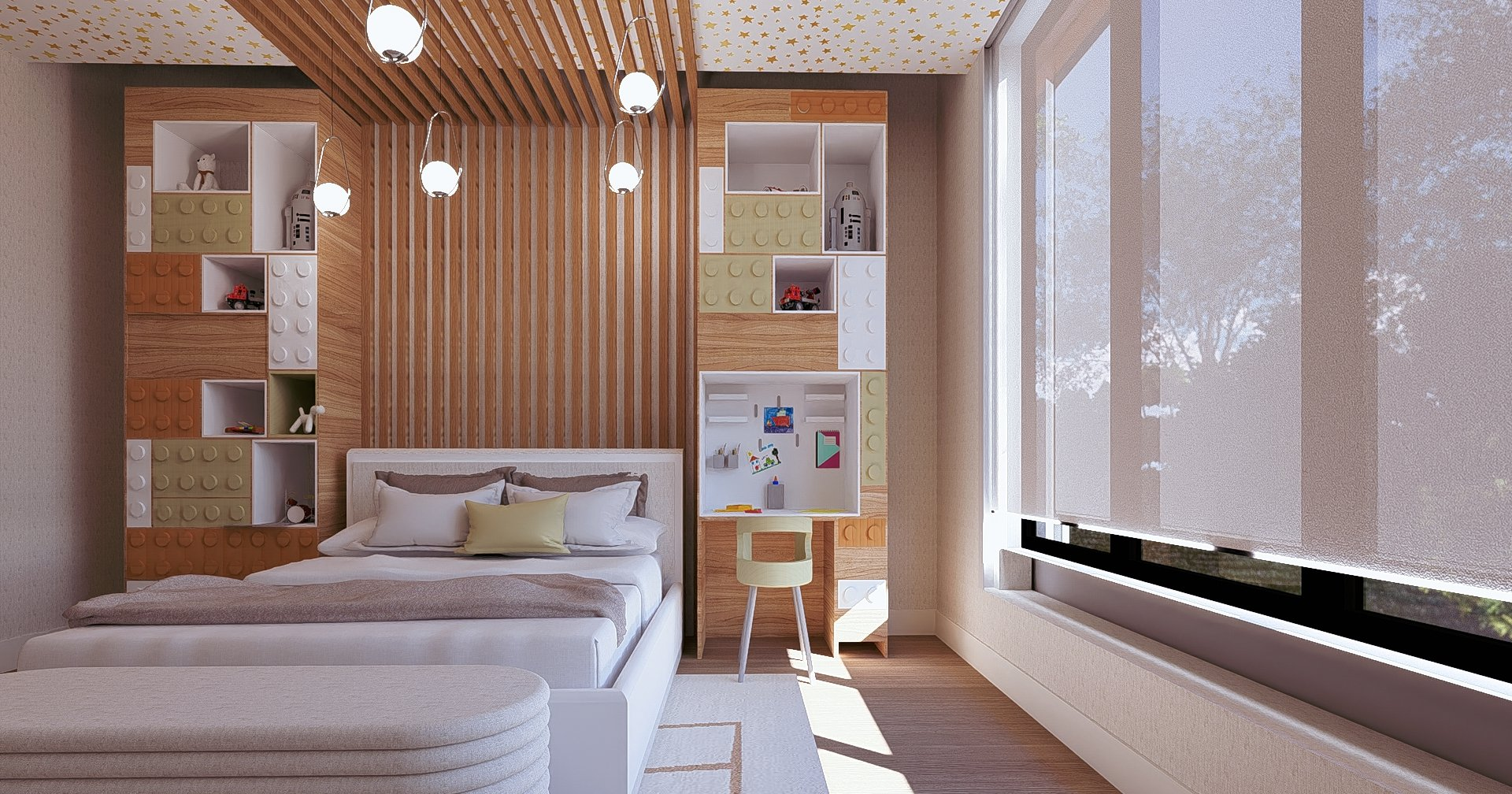
Custom cabinetry and built-in storage are most successful when they are integrated into the home's architecture from the beginning.
Window seats, media walls, home offices, mudrooms, libraries, and display shelving often require framing, electrical planning, or structural coordination during construction.
When these features are considered early, they become natural extensions of the home rather than additions made after the fact.
At Kate Voss Interiors, we work closely with architects and builders to ensure custom millwork enhances both the beauty and functionality of every space.
Window seats, media walls, home offices, mudrooms, libraries, and display shelving often require framing, electrical planning, or structural coordination during construction.
When these features are considered early, they become natural extensions of the home rather than additions made after the fact.
At Kate Voss Interiors, we work closely with architects and builders to ensure custom millwork enhances both the beauty and functionality of every space.
Designing Kitchens That Work Beautifully
The kitchen is often the most frequently used room in the home.
Because so many systems come together in one space, early planning is essential.
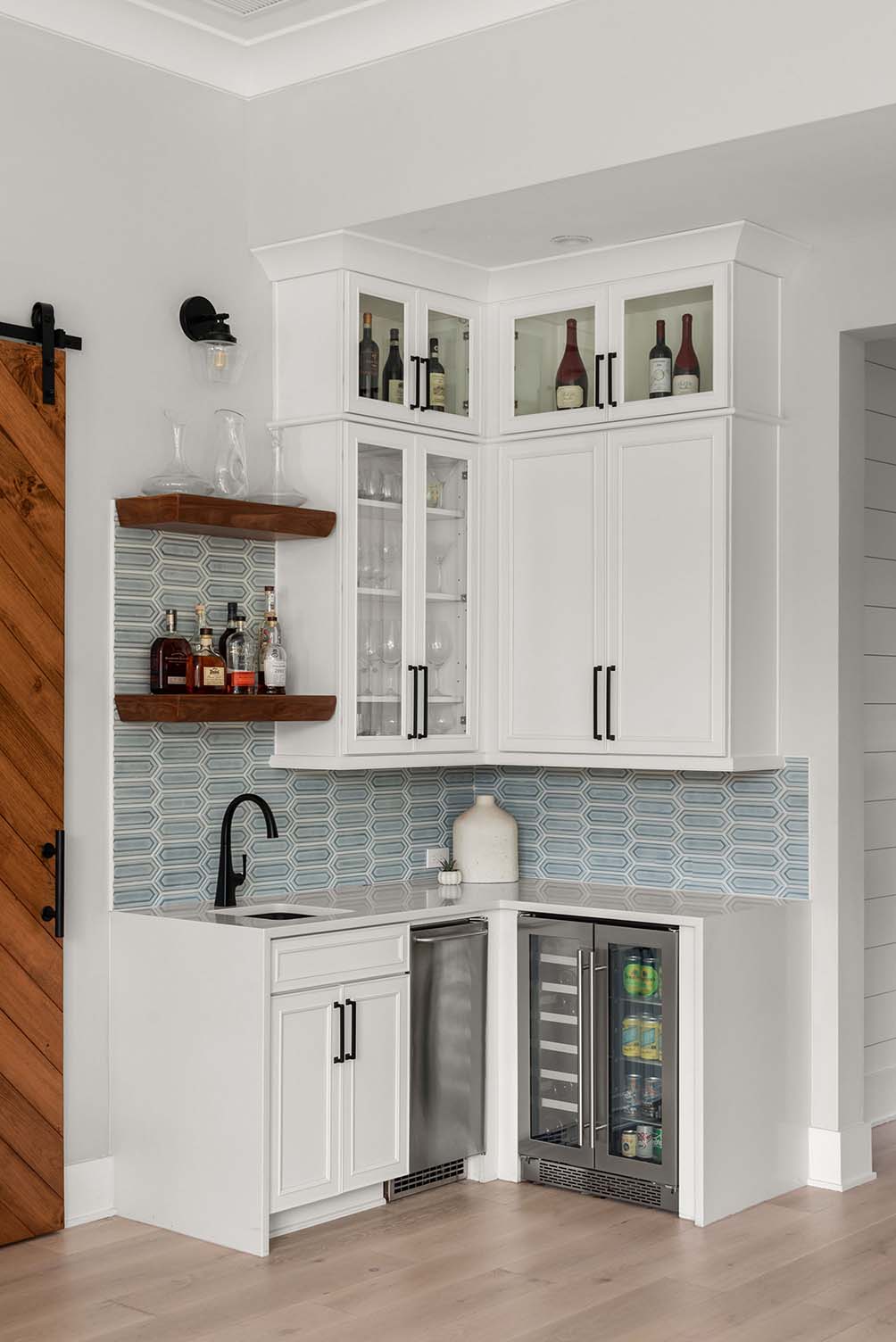
Cabinet layouts, appliance locations, plumbing, lighting, storage, and traffic flow all influence how comfortably the kitchen functions each day.
Waiting until construction has begun can make meaningful changes more complicated and significantly more expensive.
By establishing a clear vision early, homeowners gain the flexibility to make informed decisions while creating kitchens that feel equally suited for quiet mornings and lively family gatherings.
Because so many systems come together in one space, early planning is essential.
Cabinet layouts, appliance locations, plumbing, lighting, storage, and traffic flow all influence how comfortably the kitchen functions each day.
Waiting until construction has begun can make meaningful changes more complicated and significantly more expensive.
By establishing a clear vision early, homeowners gain the flexibility to make informed decisions while creating kitchens that feel equally suited for quiet mornings and lively family gatherings.
Selecting Materials With Confidence
Material selections influence far more than appearance.
Flooring, cabinetry, stone surfaces, plumbing fixtures, lighting, hardware, and architectural details all work together to define the character of a home. Many of these selections also affect construction timelines, ordering schedules, and installation requirements.
Beginning the design process early allows materials to be selected thoughtfully rather than under pressure.
Using mood boards, renderings, and curated presentations, designers help homeowners visualize how each element contributes to the larger vision, making decisions feel exciting instead of overwhelming.
Flooring, cabinetry, stone surfaces, plumbing fixtures, lighting, hardware, and architectural details all work together to define the character of a home. Many of these selections also affect construction timelines, ordering schedules, and installation requirements.
Beginning the design process early allows materials to be selected thoughtfully rather than under pressure.
Using mood boards, renderings, and curated presentations, designers help homeowners visualize how each element contributes to the larger vision, making decisions feel exciting instead of overwhelming.
Furniture Planning Before Construction
One of the most overlooked aspects of early interior design is planning for the furniture that will eventually fill the home.
Room dimensions, electrical locations, fireplace placement, window configurations, and built-in features all influence how furnishings will fit and function.
By considering furniture layouts during the planning stage, designers help ensure every room feels balanced and comfortable from day one.
Rather than adapting furniture to completed architecture, the home is designed to support the way people actually live.
This creates interiors that feel cohesive, welcoming, and thoughtfully proportioned.
Room dimensions, electrical locations, fireplace placement, window configurations, and built-in features all influence how furnishings will fit and function.
By considering furniture layouts during the planning stage, designers help ensure every room feels balanced and comfortable from day one.
Rather than adapting furniture to completed architecture, the home is designed to support the way people actually live.
This creates interiors that feel cohesive, welcoming, and thoughtfully proportioned.
A Better Building Experience
Bringing an interior designer into your project early benefits more than the finished home.
It creates a smoother experience throughout the entire building process.
Architects, builders, contractors, and homeowners all work from a shared vision. Questions are resolved before construction begins. Potential challenges are identified early. Decisions become more intentional, and costly revisions are often minimized.
At Kate Voss Interiors, our collaborative approach combines creative design with thoughtful project management to help homeowners enjoy the journey as much as the finished result.
Because exceptional homes are not created by making hundreds of rushed decisions during construction, they are created through careful planning.
It creates a smoother experience throughout the entire building process.
Architects, builders, contractors, and homeowners all work from a shared vision. Questions are resolved before construction begins. Potential challenges are identified early. Decisions become more intentional, and costly revisions are often minimized.
At Kate Voss Interiors, our collaborative approach combines creative design with thoughtful project management to help homeowners enjoy the journey as much as the finished result.
Because exceptional homes are not created by making hundreds of rushed decisions during construction, they are created through careful planning.